

Latest Posts
-
Self-awareness is a crucial yet often overlooked leadership skill, impacting communication and relationships. Leaders must reflect on their influence to foster trust and growth within teams.

-
Many organizations face communication challenges and disengagement despite talented personnel. The leadership alignment gap hinders performance, prompting the need for empowered leaders and aligned teams.

-
Self-awareness is a crucial yet often overlooked leadership skill, impacting communication and relationships. Leaders must reflect on their influence to foster trust and growth within teams.
-
Effective leadership thrives on asking the right questions rather than providing immediate answers, fostering growth, critical thinking, and team engagement while enhancing organizational culture.

-
Self-awareness is a crucial yet often overlooked leadership skill, impacting communication and relationships. Leaders must reflect on their influence to foster trust and growth within teams.
-
Leaders’ consistent behaviors shape organizational culture more than their words. Teams observe leaders under pressure, making leaders’ actions critical for building trust and effective culture.

-
Leaders must recognize unspoken employee disengagement signs, as silence often indicates adaptation rather than alignment, affecting team culture and performance.

-
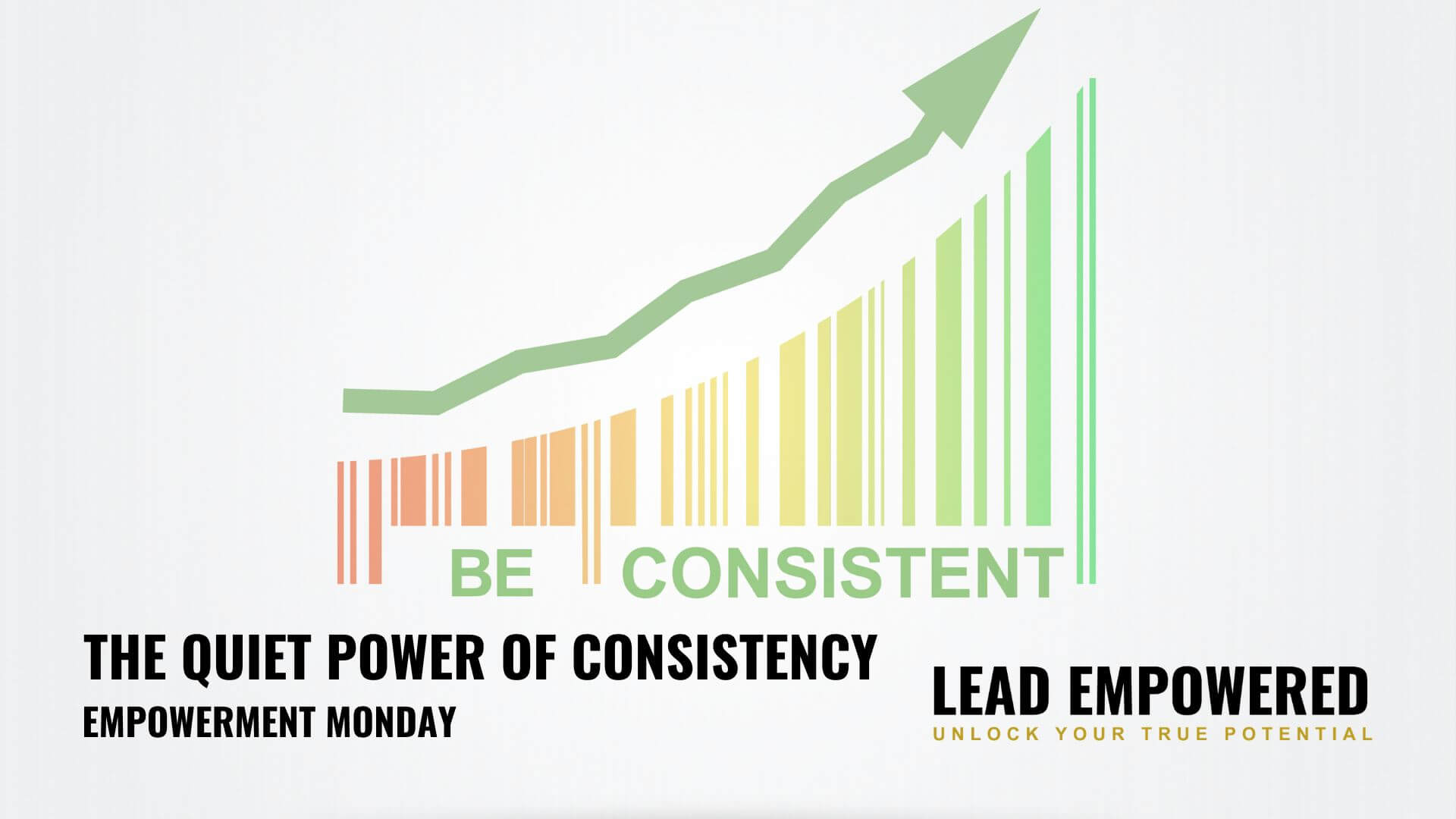
Consistency, not charisma, is vital for effective leadership. It builds trust, creates psychological safety, and fosters ownership within teams, ultimately leading to a stronger culture.
-
Leaders often confuse constant availability with effectiveness, leading to decreased clarity and presence. Sustainable leadership values intentionality, boundaries, and empowering others over mere accessibility.

-
There are two leader types: those who build followers and those who create other leaders. The latter fosters independence, empowerment, and lasting impact through shared ownership and learning.

