Tag: Leadership
-
Successful leadership evolves from doing more to empowering others, requiring a shift from control to trust and development for sustained growth and impact.

-
Leaders may unintentionally increase control, hindering team ownership and initiative. True leadership involves trusting others, fostering growth, and allowing decision-making to enhance team performance.

-
Effective leadership hinges on clear communication of expectations, preventing misunderstandings and frustration, and fostering ownership, confidence, and successful results within teams.
-
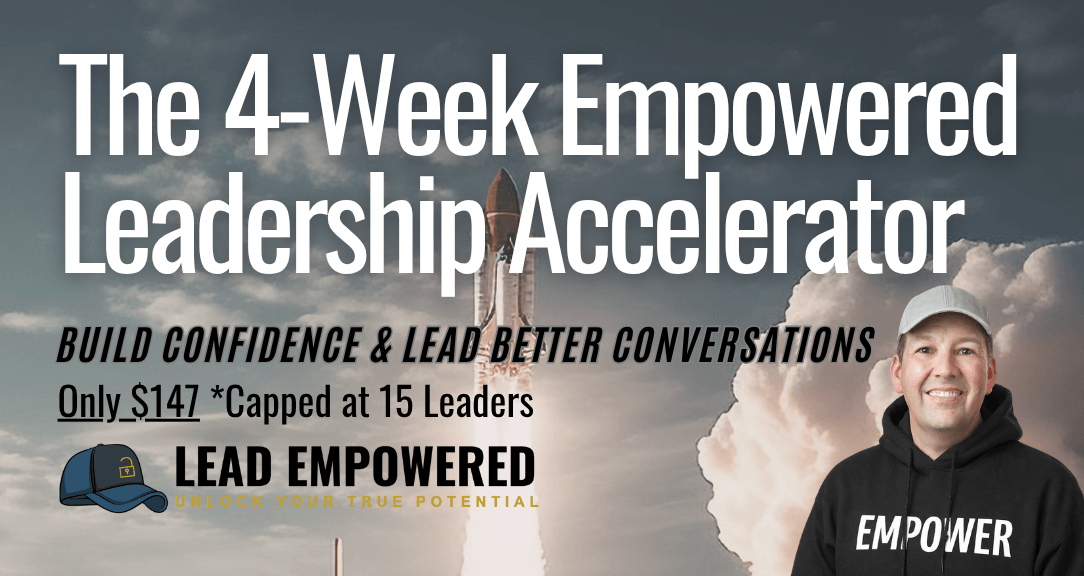
The 4-Week Empowered Leadership Accelerator enhances leaders’ confidence and skills for difficult conversations, promoting real-world application in a supportive, interactive environment.
-
Leaders influence their team’s energy, impacting performance and trust. Strong emotional consistency fosters ownership and higher results, making awareness of one’s energy crucial for effective leadership.

-
Effective leadership involves self-reflection and responsiveness to feedback, promoting continuous growth. Willingness to confront uncomfortable truths enhances leadership impact and team dynamics.
-
Leaders often intend to support their teams, but misalignment between intention and impact can lead to frustration and disengagement. Awareness and feedback build trust.