

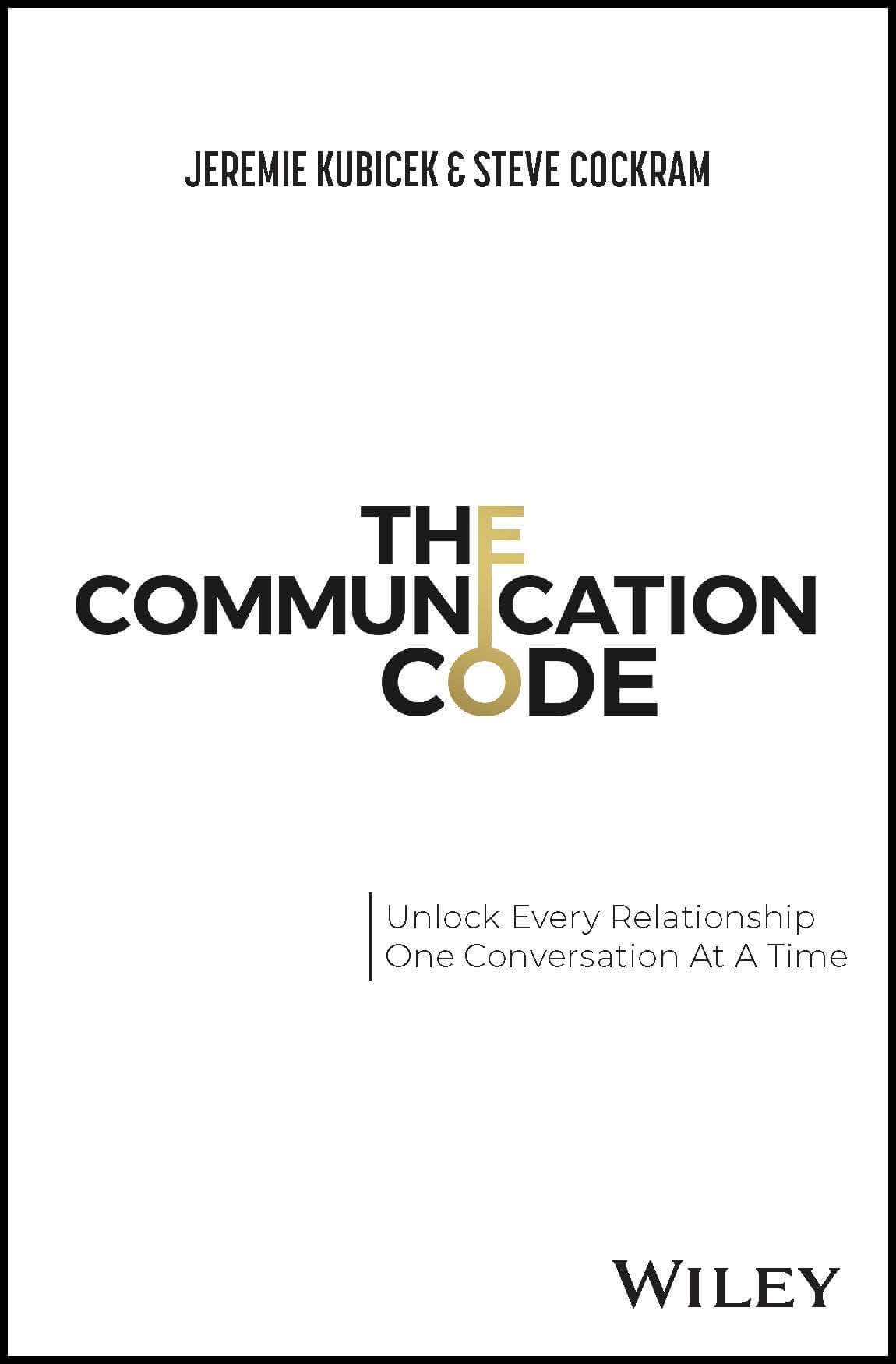
If you’ve ever walked away from a conversation thinking, “That didn’t land the way I wanted,” or “Why did they react like that?” — you’re not alone. Understanding the communication code can help in deciphering these interactions more effectively.
Communication is tricky. We assume we’re being clear, and we assume others hear what we mean. But most breakdowns in relationships — at work, at home, with friends — come down to mismatched communication expectations. By mastering “the communication code,” many misunderstandings can be avoided.
That’s where The Communication Code from GiANT Worldwide comes in. It’s one of the most immediately practical tools I’ve encountered for improving relational intelligence and reducing friction in conversations. Best of all? It’s simple, intuitive, and free to try.
What Is the Communication Code?
The Communication Code is a tool designed to clarify expectations before a conversation begins. It helps you understand what kind of feedback, engagement, or response someone is hoping for — so you can actually deliver it.
Here’s the idea: before you jump into a discussion, you (or the other person) “code” the conversation. You use a shared language to signal what kind of interaction you want. There are five codes, and each sets a different expectation:
- Care – “I just need to vent. Please listen and care.”
- Celebrate – “I have something exciting to share. Celebrate with me!”
- Clarify – “Can you help me think this through? I’m not sure what I need yet.”
- Collaborate – “Let’s work on this together. I want your input.”
- Critique – “I’m ready for honest feedback. Be direct.”
By naming the code at the start — “Hey, I need a Care conversation” — you give the other person a map for how to respond. It prevents mismatched expectations like when someone starts brainstorming solutions (Critique) when all you wanted was a little empathy (Care).
Why This Tool Works
This isn’t just about being polite — it’s about building trust and avoiding unnecessary tension. Using the communication code helps ensure people understand what is needed from the conversation.
Imagine your coworker comes to you, clearly upset, and says they had a frustrating meeting. You jump into fix-it mode. “You should’ve said this—next time, just do that.” Suddenly, they shut down or get defensive. Why? Because you gave them Critique when what they needed was Care.
Using the Communication Code avoids that clash. It gives people permission to ask for what they need — and gives you a chance to meet them where they are.
That’s the beauty of the tool: it’s short-circuiting potential conflict before it starts.
How to Use It (And See Results Fast)
Try it in your next conversation. Before you dive into the topic, lead with the code:
- “Can I vent for a second? I’m asking for Care.”
- “I’m super excited about something — I just need a Celebrate moment.”
- “Can we Clarify this situation? I need to process it.”
You’ll be shocked at how quickly people begin using the language back. It creates a shared framework for healthier, more aligned communication. Applying the communication code is crucial for success.
And for leaders? This is gold. It opens the door for your team to be more honest, more efficient, and less guarded. It invites feedback in a structured way that feels safe and clear.
Try the Communication Code Assessment
Want to know which code you default to? Or which one others are always asking from you? Take the free Communication Code Assessment from GiANT Worldwide. It only takes a few minutes, and it gives you powerful insight into how you show up in conversations — and how to become more intentional.
Here’s the link to take the free assessment:
👉 Communication Code Assessment
Bottom line?
This tool is deceptively simple — but once you start using it, you’ll wonder how you ever communicated without it. Whether you’re leading a team, parenting teens, or just trying to connect better with friends, the Communication Code brings clarity, empathy, and purpose to your words.
So take the assessment. Try the code. And watch your conversations transform.
You may reprint this post in your own print or electronic newsletter, but please include the following: “Reprinted with permission from the Lead Empowered Blog: For a free subscription, go to http://www.LeadEmpowered.com. Copyright 2025 Nathan R Mitchell – Lead Empowered.”





Share Your Field Notes: Add to the Journey!