
Tag: intentional leadership
-
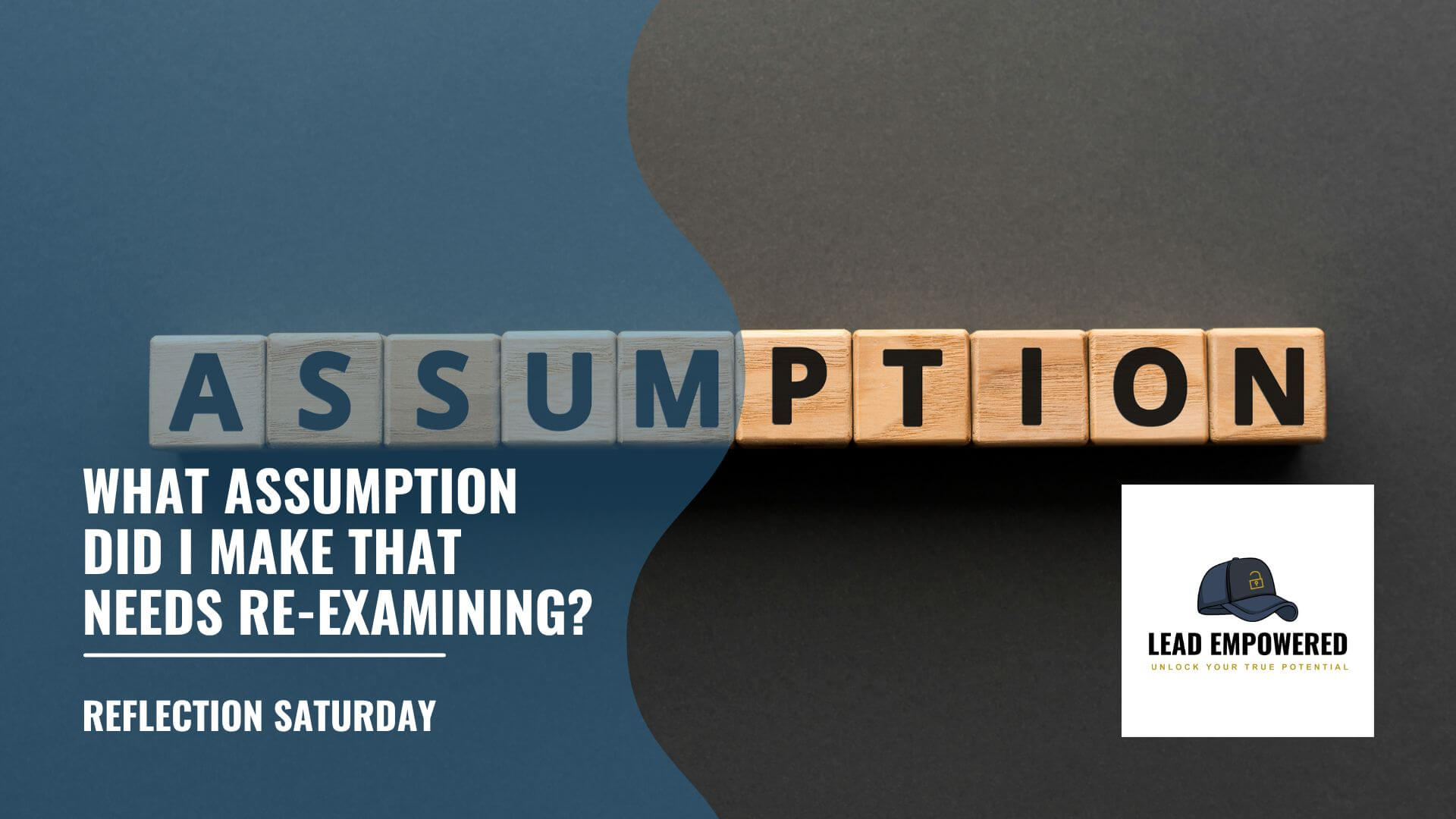
Leaders should question their assumptions and embrace curiosity to foster better dialogue, trust, and decisions, ultimately transforming their perspective on team dynamics.
-
Effective leadership isn’t about completed tasks, but fostering growth in others. Reflect weekly on your impact: Who improved because of your guidance? Prioritize development over convenience.

-
Leaders must align their calendars with priorities like team development and strategic thinking instead of allowing urgent tasks to dominate, reflecting true intentions.

-
Leadership challenges often stem from avoided conversations. Proactive communication prevents small issues from escalating, fostering a stronger team culture and clarity in expectations.

-
Leadership is truly tested during challenging moments. Reflect on emotional reactions versus intentional leadership, seeking growth and alignment for effective team outcomes.

-
Top performers often disengage quietly despite delivering results. This disengagement stems from lack of recognition, limited growth opportunities, and uneven accountability. To re-engage them, leaders must recognize contributions, provide challenges, and ensure fair expectations across the team.

-
Effective leadership fosters team productivity by creating clarity, providing real-time feedback, and recognizing efforts publicly. By implementing these habits, leaders can transform pressure into motivation, enhancing team engagement and ownership while improving overall performance.